
The decision to bring back former Prime Minister David Cameron as Foreign Secretary was a masterstroke. Cameron has many faults and his sudden exit from Number 10 after the Brexit referendum did not go his way left a black mark on his legacy. But Cameron, the PM who apologised for Bloody Sunday, who is sympathetic to Israel but has also criticised the blockade of Gaza and who knows how to manage international politics well is a smart choice as Foreign Secretary right now.
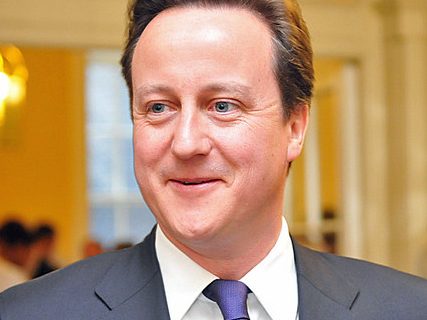
This is a government that has been perpetually in crisis, frankly ever since Cameron left. Cameron won’t fix everything, nor do much for the Conservative Party’s electoral prospects in 2024. But he is someone who understands and has experience working in foreign affairs. At a time when the world faces war in Ukraine and Gaza, plus heightened tension throughout the Middle East and greater hostility from China, foreign affairs is taking up much-needed government bandwidth at a time when the economy and domestic issues also desperately need attention.
Paul Goodman from Conservative Home made the following assessment of Cameron’s appointment:
The case for his appointment is that Sunak is short of talent to draw on, and that Cameron will serve the Government and his country with distinction, seniority and ability. The case against is that the Prime Minister is reopening old Brexit wounds and China policy rows, alienating the present crop of Tory MPs, re-raising the Greensill saga, marginalising the Foreign Office in the Commons (since Cameron will go the the Lords), and bringing back to Government a politician who is seen by voters to have failed, and whose popularity ratings among them is low.
https://conservativehome.com/2023/11/13/reshuffle-live-blog-sunak-fires-braverman/
Given the number of Conservative MPs in the Commons after the 2019 landslide, it is concerning that the Tories are having to bring back ex-leaders and hurriedly put them in the House of Lords due to a lack of talent in their current caucus.
The decision to sack Suella Braverman as Home Secretary was long overdue. Over the last 12 months, there have been plenty of opportunities for Sunak to move her along. Sunak who lost the membership vote of the Tory leadership race last year, somehow felt he had to keep the likes of Braverman and former Justice Secretary Dominic Raab to hold the party together. In reality, what chances he had of resetting the dial for the Conservative Party post-Party Gate were dashed by keeping hard-right zealots like these two in the cabinet. The Armistice Day protests were in no small part the result of Braverman’s provocative and delusional editorial which she published without sign-off from Number 10. It was inevitable that she would be sacked, the fact that it took this event reflects very poorly on Sunak.
At the Conservative Party Conference in Manchester this September, Sunak tried a clever campaign trick of positioning himself as the change candidate. The idea is to present Labour, despite 13 years out of power, as being the status quo Party. Labour will defend policies such as ULEZ in London, which cost them the Uxbridge and Ruislip by-election, whereas the Tories call for change and for environmental targets set by their own government two years earlier to be relaxed. The Tories, despite 13 years to “fix” the migration and refugee crisis, will try and claim they are the party of change by ‘stopping the boats’.
This change candidate idea is not new, in fact, it is more or less what the Conservative Party did before the 2019 election. Rather than run on their abysmal record since 2010, they claim to stand for change. Is the public convinced? Polls suggest not. A cabinet reshuffle could be the signal that something is about to change. But the key “new” face, was PM for the first 6 of their 13 years in power. As Paul Goodman rightly says, the return of Cameron reopens old wounds. It also places a key cabinet post in the Lords, rather than it being held by an elected politician in the House of Commons. Historically this was not uncommon, but in recent times this has not been custom.
There was very little in the recent King’s Speech suggesting the government was on a new course or was implementing change. In terms of legislation, it was lightweight, and in terms of overall vision it offered even less.
The cabinet changes by Sunak have been done in response to the appalling actions of Braverman, and not a proactive desire to change by the PM. The decision to appoint Cameron as Foreign Secretary is a desperate act by a Prime Minister lacking confidence in his current MPs (with some justification), but also a PM really needing someone who can take the mental load in terms of foreign affairs.
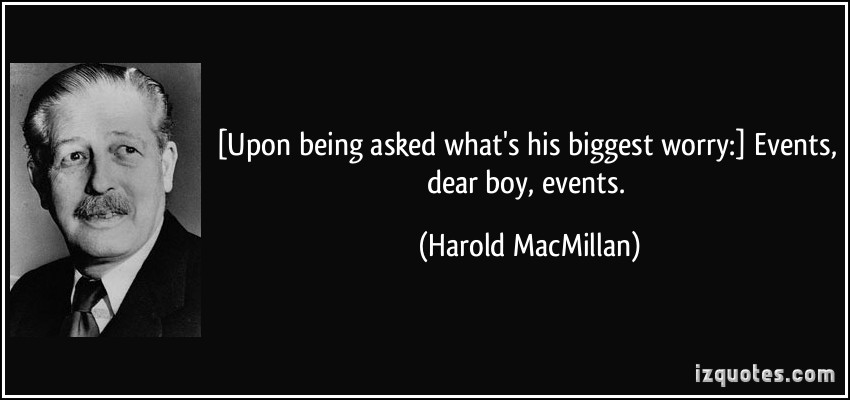
The decision to appoint Cameron was a clever move. It will mean someone competent in the Foreign Secretary role at a critical time in global affairs. The overall fortunes of the Conservative Party will not change due to this appointment. Instead, it means the leader who took the Conservative Party into Government in 2010, will also be back in Cabinet in the months leading up to their likely electoral defeat in 2024.

 Nick Kelly