From Housing to Green Spaces: How Labour Is Delivering for Ladywell

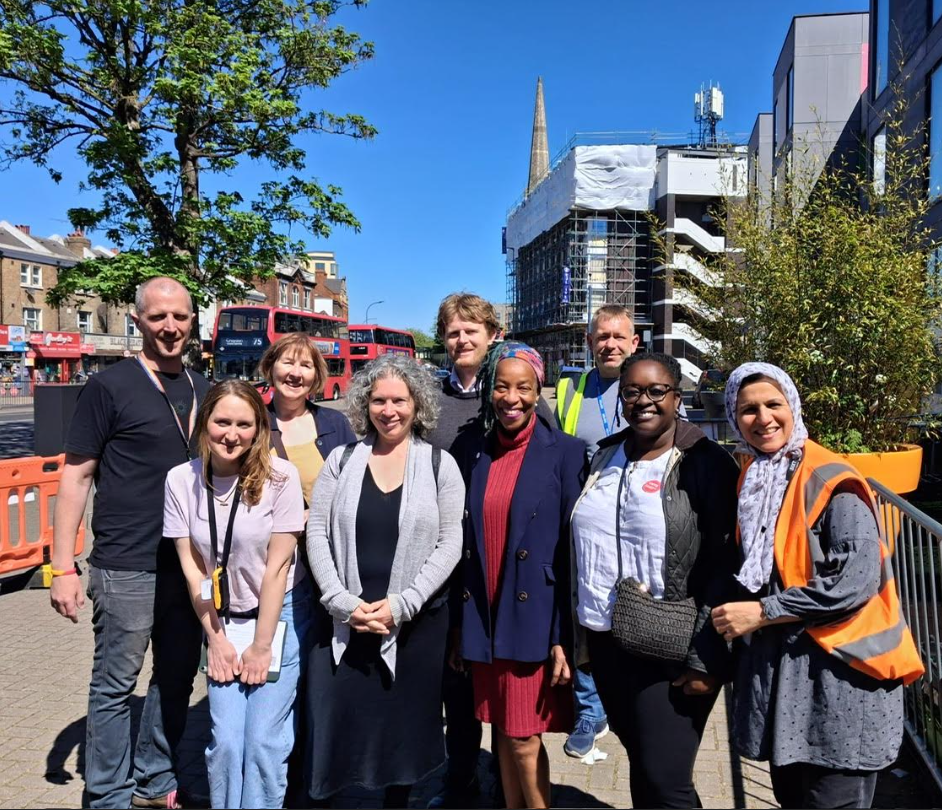
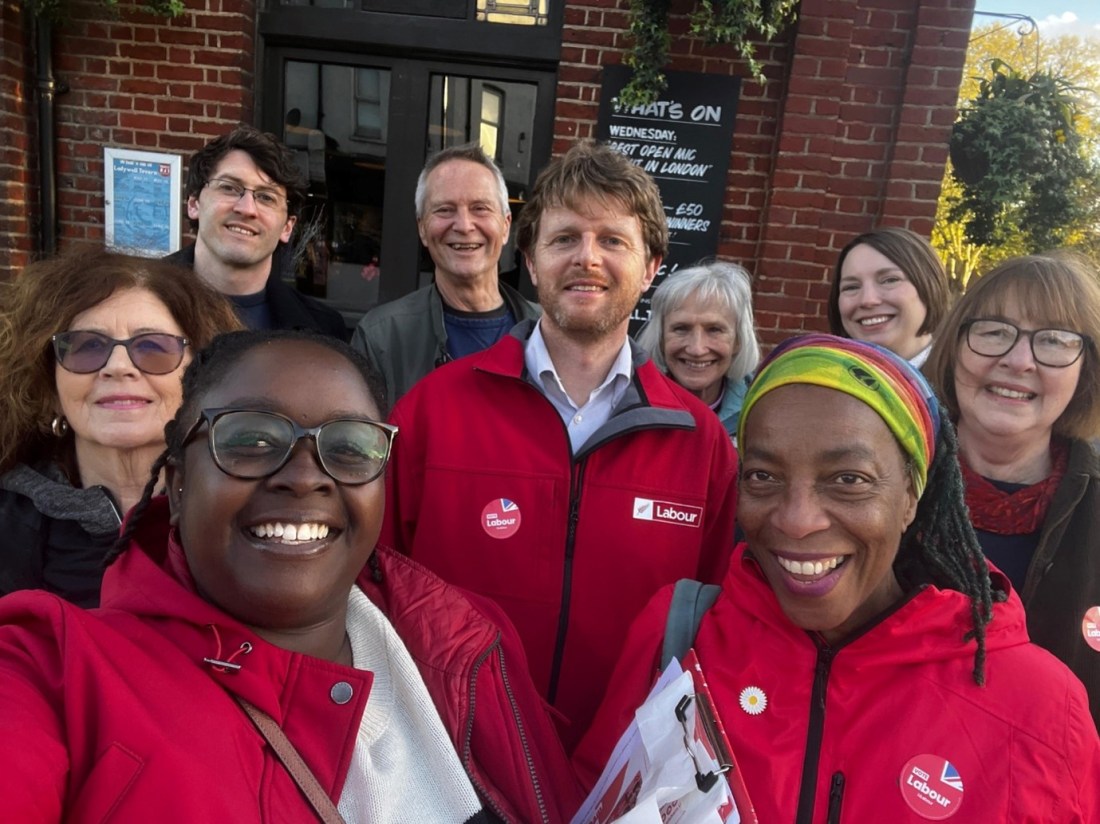
Ladywell candidates, outgoing councillors and Labour activitists in Ladywell

Originally published on Ladywell Live

Your Labour candidates in Ladywell understand the real power of local government and what it can deliver for residents. Together, my running mates bring deep roots and proven commitment to our community. Collet Hunter founded a local charity following the tragic loss of her son to knife crime, transforming personal grief into lasting support for others. Ayesha Lahai‑Taylor has served as a councillor in neighbouring Brockley Ward since 2022, is a school governor at St Mary’s Primary School in Ladywell, and works within another London council—giving her invaluable frontline experience. My own background is in trade unions and the charity sector, where I successfully campaigned to keep vital helplines open for older people escaping abuse, ensuring they had someone to listen and a real route to safety and support.

Local government is easy to overlook — but it has more impact on our daily lives than almost any other level of politics. It’s responsible for the rubbish and recycling we put out each week, the pavements we walk on, the parks our families rely on, and the planning consent that decides what gets built in our neighbourhoods. Lewisham Council takes decisions every day that shape our streets, our homes and our quality of life. That’s why who represents us matters — and why we need local councillors who are prepared to stand up for residents, understand the powers they hold, and use them to make Lewisham a better place to live.

Labour is delivering real results for Ladywell. Your Labour council is building 100 genuinely affordable homes at Ladywell Park Gardens, taking action to tackle London’s housing crisis and help local people stay in the borough. Labour councillors fought to secure an extension to the Lewisham Donation Hub lease, protecting vital support for refugees, asylum seekers and residents facing extreme poverty. We stepped in to save the much‑loved Ladywell Pre‑School nursery from closure, keeping an essential community service open for local families. And Labour has brought in funding for new tennis courts and gym equipment in Hilly Fields, alongside major upgrades to the Lewisham Park playground — visible, practical improvements that are making a difference to everyday life in Ladywell.

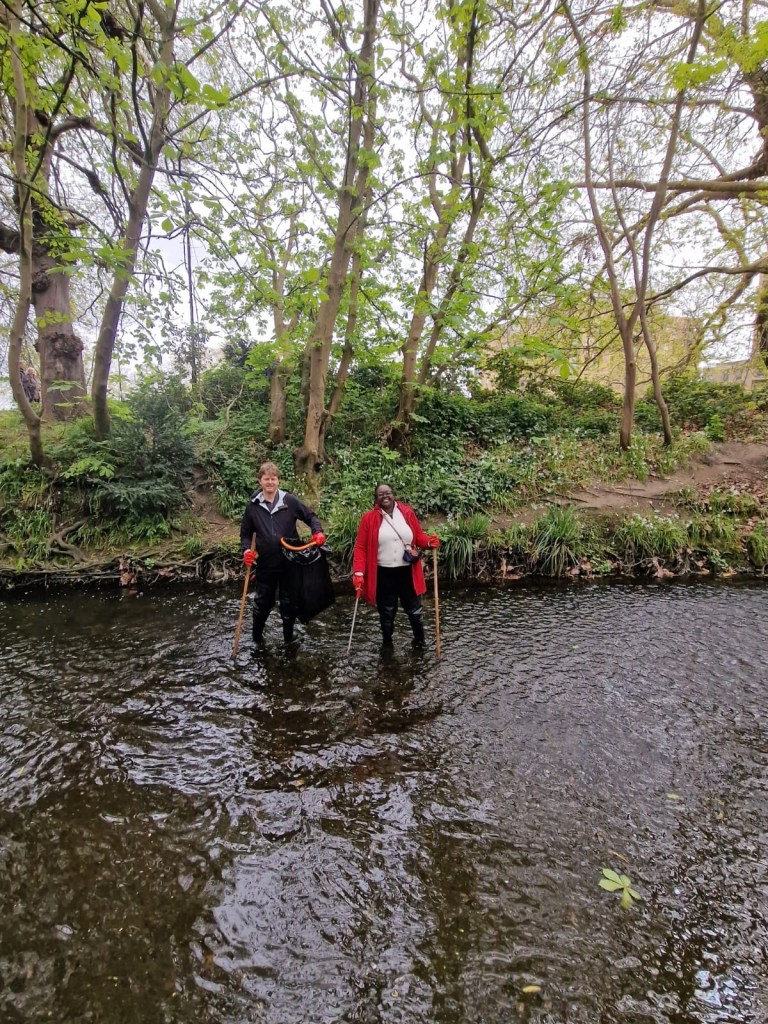
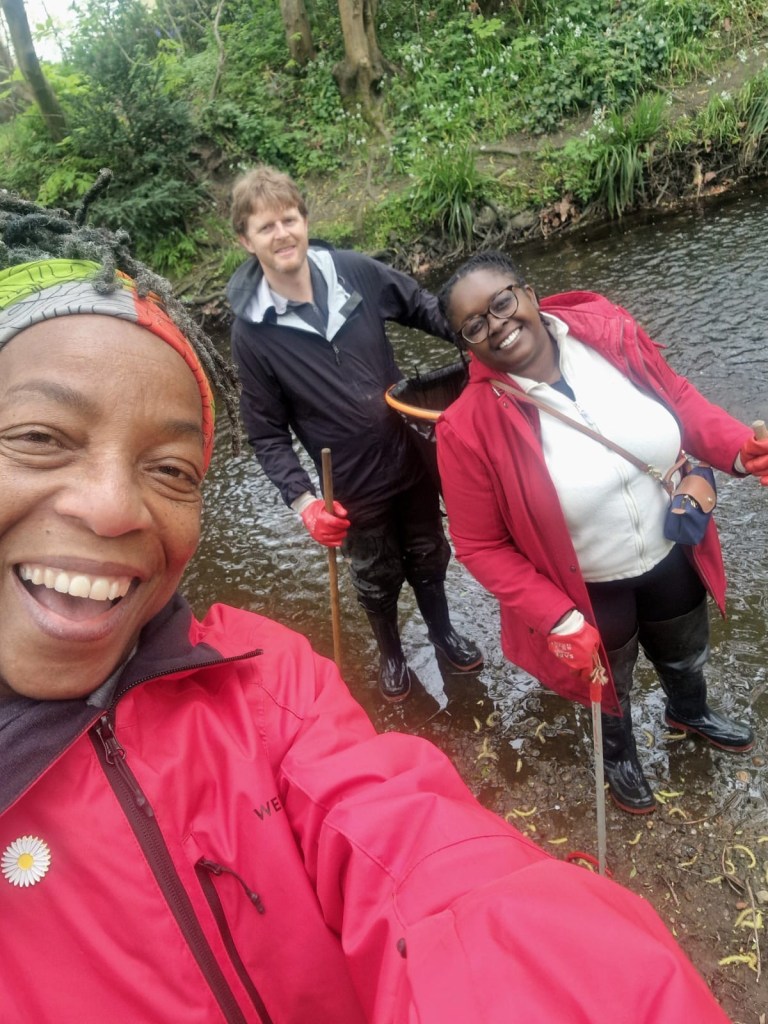
Recently, Collet, Ayesha and I joined local volunteers at a River clean-up in Ladywell Fields — a reminder that protecting our environment takes both community action and political leadership. Under Labour, Lewisham Council is backing residents with real action, including cutting the cost of bulky waste collection to just £5 per item. This Labour‑led change is already helping residents dispose of waste responsibly, tackling fly‑tipping at its source and protecting Ladywell’s streets, green spaces and waterways.

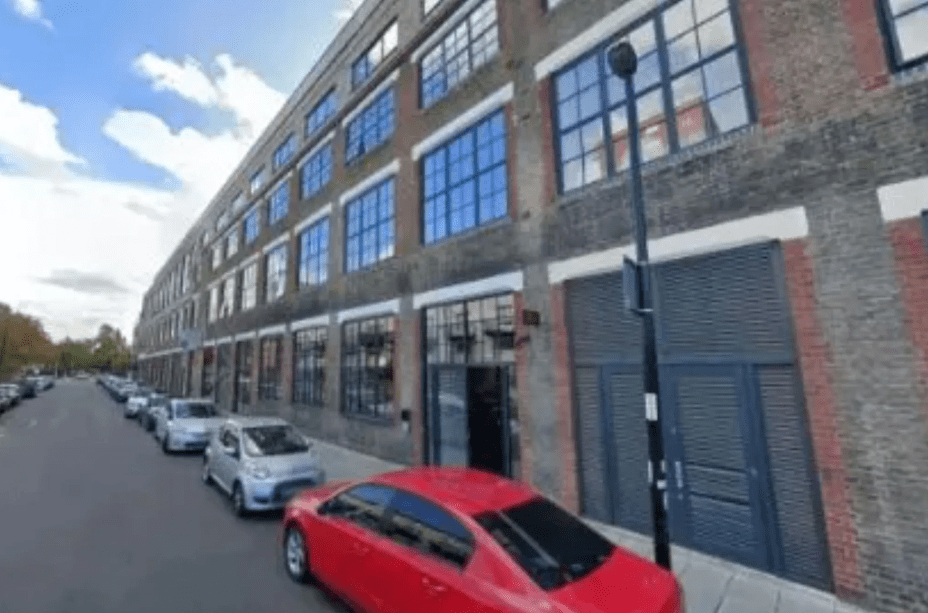
But there is more to come. Labour has launched a campaign to save the Ravensbourne Arms as a vital community space at the heart of Ladywell. Developers want to convert the building into yet another House in Multiple Occupation. While we recognise the urgent need for more housing in London, it cannot come at the cost of losing the community spaces that bring neighbourhoods together. Whatever the outcome of this election, Labour will continue to stand with residents and fight to keep the Ravensbourne Arms as a community asset for Ladywell. You can sign our online petition here: https://survey.labour.org.uk/protectravensbournearms

Our opponents in this election are only just putting forward a local manifesto for Lewisham, despite it being just days before the election. Instead, their focus is on issues well beyond the powers of the council, offering simplistic slogans on complex international conflicts while ignoring the everyday decisions that matter here in Ladywell. Far from “sending a message to government”, all this does is show a fundamental misunderstanding of what local government does — and of what it takes to do the hard work of delivering for residents locally for the next four years.

By contrast, your Labour candidates understand both the responsibilities and the possibilities of local government. Labour has set out a clear and ambitious manifesto rooted in fairness, community and practical action — focused on protecting what makes Lewisham special while investing in its future. From defending valued community spaces to improving services and opportunities for local people, Labour’s plan is about building a borough that works for everyone.

Our Manifesto – Lewisham Labour Party – Lewisham Labour

Contributions from other candidates can also be viewed on Ladywell Live

Labour – Investing in Green Spaces and Healthier Communities

Recently, alongside Ayesha Lahai‑Taylor and Collet Hunter, I visited Ladywell Fields in Lewisham, a much‑loved Green Flag park and vital green space for local residents. In the clip below, we talk about some of the great things happening here:

Lewisham boasts some of the finest green spaces in London, and ongoing investment is enhancing them for everyone. The improvements to the skate park at Ladywell Fields are a clear example of this commitment in action.

Green spaces are essential to both physical and mental wellbeing. Trees and plant life help clean the air we breathe, while parks enhance our quality of life in countless ways. That is why protecting and investing in Lewisham’s green spaces continues to be a priority for Lewisham Labour.

Local Action to Clean the River Ravensbourne at Ladywell Fields

Yesterday the Labour team joined the Ladywell Fields River Clean-Up. These events are regularly organised by local volunteers to clean the River Ravensbourne. These volunteers are the unsung hero’s of our community who ensure that our local parks and waters ways are protected. It was a privilege to spend time with them yesterday.

Ayesha Lahai-Taylor, Collet Hunter and Nick Kelly, Labour candidates in Ladywell Ward, Lewisham, walking back from the River clean-up in Ladywell Fields, Saturday 11 April 2026.

That London, the third‑largest city in Europe, has an urban waterway teeming with wildlife and plant life is something truly extraordinary. It is a shared asset we must actively protect as a community. Although it was a privilege to be part of the clean‑up, it was also a saddening insight into how poorly some still treat this precious environment.

Ayesha Lahai Taylor and I in our waders cleaning the River Ravensbourne.

In Notes from a Small Island, published in 1995, Bill Bryson wryly described what he called Britain’s “annual festival of litter,” observing how people seemed to find time to scatter crisp packets, empty cigarette boxes, and plastic bags across the landscape. That line stayed with me as I stood by the Ravensbourne.

Talking with Robert, a local volunteer who has been cleaning the river for more than 25 years, put things into perspective. He told me the river is in far better shape than it was two decades ago, when it was common to haul out mattresses—and even the occasional moped. Listening to him brought back memories of the Hutt River in Upper Hutt, where I grew up in New Zealand, which suffered from similar problems years ago. It struck me then that this isn’t a London problem, or even a UK problem. Litter and pollution are human problems, and the difference comes down to whether enough people choose to care.

Colette Hunter, Ayesha Lahai-Tayer and me in the River Ravensbourne.

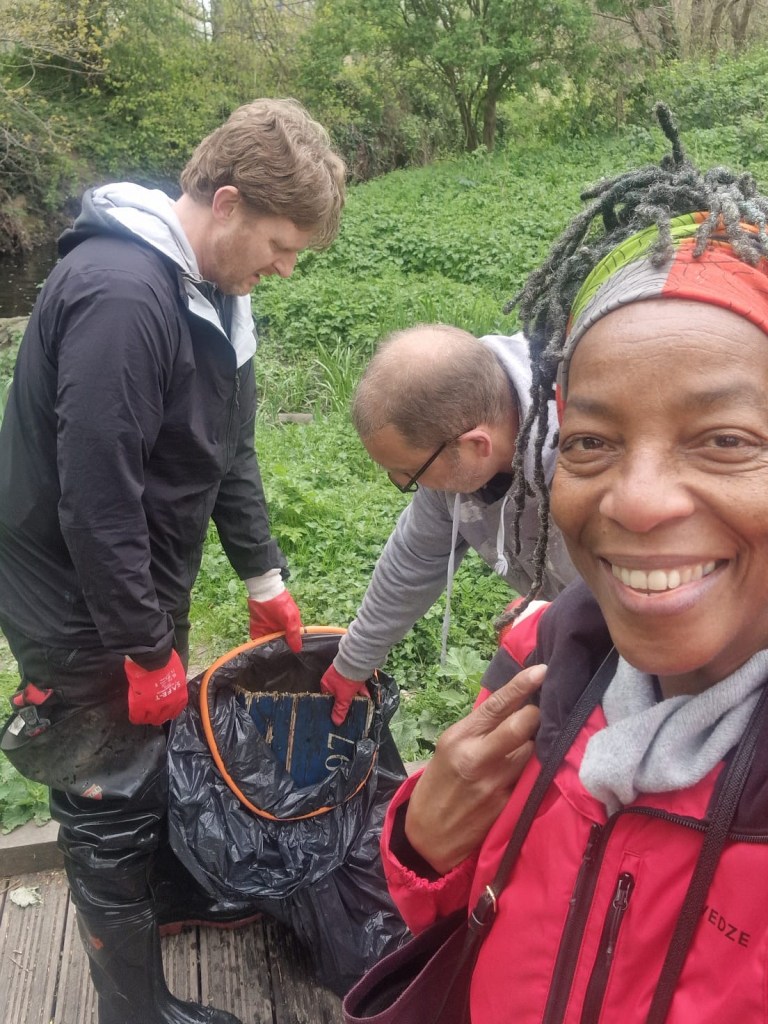
In the river we found car hubcaps, bike parts, piles of CDs (perhaps the aftermath of a messy breakup and an act of revenge?), vape components, crisp packets, wine and beer bottles, and an assortment of other discarded rubbish. What felt particularly ironic was that, along much of this stretch of river, you have to walk past several clearly placed litter bins just to reach the water—making the decision to throw waste into the river a conscious choice rather than an accident.

Above: Collet snapped a photo of me and the real estate sign I found at the bottom of the river.

Clearly, more needs to be done to prevent fly‑tipping—especially the dumping of rubbish into our rivers. One positive step is the Labour Lewisham Council’s recent decision to reduce the cost of bulky waste collection to £5 per item, replacing the previous flat rate of £42 for up to four large items. By making it easier and more affordable to dispose of bulky household waste responsibly, measures like this should help reduce both fly‑tipping on land and the thoughtless dumping of rubbish into our waterways.

But ultimately, the small minority to chose to discard their rubbish in this way need to be held to account. Labour have promised to install more CCTV at fly-tipping hotspots and fine those who blight our Lewisham borough. Lewisham Labour also promise to reintroducing town-centre managers who will work directly with the police to make our town centres safer and more welcoming places to visit. To find out more read our manifesto: Our Manifesto – Lewisham Labour Party – Lewisham Labour

Our park volunteers are community champions—but they can’t do it alone. Clean rivers and healthy green spaces depend on all of us stepping up.

Nick Kelly for Ladywell – From Commentary to the Arena

Readers of this blog over the past eight years will know that I am, first and foremost, a commentator — someone who analyses and critiques policy and politics. That role matters. But, as the saying goes, it is not enough merely to interpret the world in various ways; the point is to change it.

Or, as Theodore Roosevelt put it more memorably:

It is not the critic who counts; the credit belongs to the person who is actually in the arena.

Today, I am stepping into that arena.


I am standing as a Labour candidate for the Ladywell Ward in Lewisham, alongside my running mates Collet Hunter and Ayesha Lahai‑Taylor. The question I’ve been asked most often is a simple one: why?


You can hear part of my answer here:

Nick Kelly explaining why he is running for Labour in Ladywell.

Former New Zealand Prime Minister said everyone needs “Someone to Love, Somewhere to Live, Somewhere to Work, Something to Hope For”. In this sentence he summed my Labour values. My values.

In one sentence, he captured my Labour values — and my own.


Throughout my working life, I’ve stood alongside bus drivers, security guards, and trade unions, fighting for stability, justice, and respect. I’ve worked to keep helplines open for older people escaping abuse — ensuring that when they needed someone to listen, someone was there, and that there was a pathway to safety and dignity.


Lewisham matters deeply to me because it reminds me of Upper Hutt, where I grew up: vibrant, alive, shaped by the strength of its communities. But I also see familiar challenges — particularly the shortage of safe, secure, genuinely affordable housing for everyone who calls this place home.


Over the coming weeks, I’ll be using this blog to set out how Labour can help build a Lewisham that works for everyone — and to explain why I am asking for your support for Collet, Ayesha, and me in Ladywell.


Watch this space.

Trump – not fit for public office.

On the eve of the US Presidental, it is worth reflecting that this is now the third election where Donald Trump has been on the ballot. Initially dismissed as a joke candidate who would not make it past the primary, his brand of post-truth and divisive politics has dominated the last decade of US politics.

In the six years since I started this blog, I have written various posts about Trump’s politics and its negative influence on the world. These are listed below:

Genius Trump

Guns

Qasem Soleimani: murdered by the United States

Pandemics are no time for inward-looking nationalism

The US election – why sometimes voting for the lesser evil is right

Trump loses the Presidency, but Trumpism lives on

The ugly finale of the Trump Presidency

The US withdraws from Afghanistan and the inevitable happened

Democracy is on the Ballot – watershed US midterms this week

The 2022 midterms and what happens next in US politics

Trump is not, and never has been, fit for public office. Yet he remains a force to be reckoned with. He has never won the popular vote, and the majority of Americans, including many in ‘red’ states, oppose him. But to beat him, people need to vote……

The political centre has moved, someone should tell the strategists.

Originally posted on The Standard

Trust in politicians is at a record low. This is true for the UK during its General Election Campaign, with multiple surveys showing that most voters are dissatisfied with how the UK is governed. In Aotearoa, this depressing trend is also reported in polls. What is causing this trend?  Much of this is due to hubris and poor decisions by politicians. In part, however, outdated thinking and a failure to understand public opinion by the political establishment have caused this situation. Ironically, the tactics used to overcome this problem 30 years ago, are today perpetuating it.

30 years ago, we had Dot Matrix printers, Windows 95 and brick cell phones. Today we live in a world of AI, Tik Tok and 5G. While technology changes have been embraced, including in political campaigns, strategies and methods to connect with voters seem stuck in the MS-DOSS era.

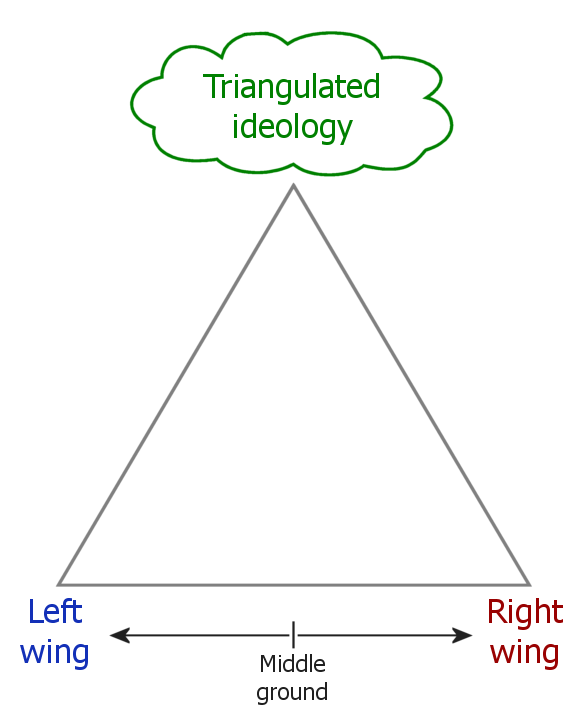
Triangulation is a political strategy whereby a politician presents a position as being above or between the left and right sides (or “wings”) of a democratic political spectrum. In the 1990s Clinton used this tactic to successfully win “centrists” who had supported Reagan in the 1980s, as did Tony Blair’s New Labour Government. The economic reforms of Thatcher and Reagan were left in place, but with a more socially liberal agenda and more resources for health and education, though often in partnership with the private sector.

Whether it was right or wrong, it is entirely understandable in 1997 that Tony Blair’s new Labour had no appetite for increasing taxes, especially after losing the 1992 election after the Tories painted Labour as the high tax party. Or if we go further back, in the 1979 winter of discontent, where the streets were strewn with rubbish because of striking binmen, was the death knell for the Callaghan Labour Government. So again, rightly or wrongly, New Labour was cautious about giving too much power to the union movement.

Smarter minds have clocked that much has changed since 1997. Whereas in the 1990s free market reforms still enjoyed reasonable support, after the 2008 financial crisis, followed by years of government austerity policies, this is no longer the case. It was the equivalent of Y2K, except it actually did cause chaos.  

Following the pandemic, advocating small government, low taxation and bestowing the virtues of the market is now met with derision by all but the most hardened libertarians.

Sections of the UK media have grasped that society has changed, as have the more credible think tanks and forward-thinking academics. Many political strategists have missed the memo. Or they just have no idea how to adapt to modern politics. They continue to pitch to “the centre”, or at least to where “the centre” was 30 years ago.

Labour’s New Deal for Working People, billed as a “plan to make work pay, ensure security at work and provide the work-life balance everyone deserves”. The policy specifics are broadly similar to those introduced in the first term of Jacinda Ardern’s Labour-led Government in 2017; raising the minimum wage, banning zero-hours contracts, improving sick pay provisions and requiring employers to issue contracts which reflect actual hours worked with compensation for cancelled shifts. In a country where most people are poorer than they were at the last election, policies that lift people’s incomes are popular.

Days before the General Election was called, Conservative Home commentator Chris Hopkins argued that workers’ rights would be the wrong dividing line for the Conservatives to challenge Labour on. Chris argued that where previously the Conservatives could argue for flexibility and a lightly regulated workforce on the grounds that it would boost economic growth, now voters have “wised up” and that the “old political rules no longer apply”. He goes on to say:

Where the public may once have conceded workers’ rights for a perceived higher standard of living via growth and jobs, they have lost trust in the Conservatives as effective stewards of the UK economy.

Think of it like this. If your main job is now more precarious, your mortgage has significantly increased and you are working a second gig to make up for it, I’d imagine stopping ‘fire and rehire’ and having the ‘ability to switch off’ would look like a pretty good offer. And it would look good to Conservative supporters as much as anyone else.

Have the Conservative Party taken heed of this sound analysis? Conservative Business Secretary and future Tory leadership hopeful Kemi Badenoch has claimed “Labour’s new employment regulations are going to make it very hard to hire, strangling employment”. Despite 14 years of weak employment protections failing to stimulate the economy, Badenoch and her colleagues in government still think this is a strong dividing line with Labour.

She is not alone in this. Lord Peter Mandelson, Business Secretary in the Blair/Brown New Labour Government warned in March that Labour’s employment law changes must not be rushed or go further than “the settlement bequeathed by New Labour”. Mandleson was one of the architects of New Labour and has advised the current Labour leadership on strategy and policy. While the ‘Black Prince’ is undoubtedly a smart cookie, his fingers are not on the pulse of public opinion on this issue.

Sharon Graham, the General Secretary of Unite, the largest Labour Party-affiliated trade union in the UK has warned that Labour has watered down proposals to ban fire and rehire, and sectorial bargaining plans have been delayed. It is no surprise that the Unite leader wants to push Labour further, but in this case, what is being asked is quite modest. A union representing over 1.2 million workers in the UK, which is growing each year, should not be dismissed out of hand.

Another example of triangulation leading to poor policy positions is tax. The Conservative Party have made a key pitch of the 2024 campaign that Labour will increase taxes and they will cut them. Labour has in fact ruled out increasing income tax, VAT or national insurance, which are the main taxes which bring in government revenue.

Taxes have risen since 2019 despite the Conservatives promising to cut them in their previous manifesto. The tax burden has risen to 36% of national income, the highest it has been since 1949. This has been due to a freeze on the income tax threshold, increases to corporation tax and a windfall tax on energy companies.

While Tory party faithful decry their party breaking their 2019 promise, the economic reality is that the government cannot cut taxes without harsh cuts to public services. The election of Liz Truss as Tory leader was largely a response to this, and the harsh reality of unfunded tax cuts destroyed the Conservative Party’s reputation as sound economic managers. The voting public is more interested in public services that work than tax cuts which fuel inflation and do little to help people.

The British public would much rather the government invest in crumbling public services like the NHS, and polls have consistently shown this for some time. The public can see roads full of potholes, schools falling down, the NHS overwhelmed and there not being enough police on the streets.  

The recent debate on how quickly each party would increase military spending in the next term was another example. The public knows that whatever is promised now, if the situation in Ukraine, Gaza or elsewhere in the world deteriorates further, the government will have no choice but to increase military spending. In this context, it is no wonder that the Conservative Party’s promise to cut taxes, without a proper explanation of how it will be paid for, has fallen flat.

Labour has ruled out tax increases and is banking on economic growth to help them fund public services, as it did during the Blair/Brown Government. While measures like planning reform and improving the trade deal with Europe will help, there is no guarantee that economic growth will happen fast enough to fix Britain’s woes in the next parliamentary term. The Shadow Chancellor’s commitment to having the fastest-growing economy in the G7 is ambitious, to say the least.

In New Zealand, the decision of the Labour Government in 2023 to rule out a ‘wealth tax’ saw the party’s polling decline, albeit from an already poor position. It confirmed voters fear that Labour had no serious plan to fix public services in a third term if re-elected. By contrast, the UK has had 14 years of Conservative Government and the public is crying out for change. Once in Government, a future Labour Government will face the same challenges if they rule out new forms of revenue, especially if aspirations of economic growth fail to materialise.

The UK Institute for Fiscal Studies has said there is a ‘conspiracy of silence’ on how public services will be funded if there are to be no tax rises in the next five years. My Dad has a theory that given the choice of conspiracy or cock-up, it is almost always a cock-up. The cock up here is parties making political calculations on old models, based on public attitudes 30 years ago.

Society is a much more complex place in 2024. We carry smartphones with 10 times more memory than 1990s PCs, which give us access to vast amounts of information online. We also are much more connected and events which once took hours or days to be reported are now on our phone newsfeeds in seconds.

People’s political views and voting intentions are vastly different now from what they were in the 1990s. The size of political swings in democratic nations has increased substantially in recent years. The so-called political centre was always lazy shorthand to describe a section of the voting public who broadly speaking decided elections. Society, much like technology, is much more complex than it was in the 1990s. The politicians who are first to adapt to this change will be the ones who ultimately succeed.  

Betting on the election date – how I lost a tenner

The beleaguered Conservative and Unionist Party faced another scandal during their ill-fated election campaign. This one is due to party officials close to Rishi Sunak placing bets on the election date the day before it was announced.

This alledged breach of gambling law by Conservative Candidates adds to the Tories woes. At a time when the public are increasngly distrustful of politicians, the optics of this are horrendous. Attempting to personally profit from information gained in their work. Such behaviour might be normal (though legally dubious) when working the financial markets, in politics it is clearly out of line.

The story was made worse after the Finacial Times published the following graphs, showing a spike in bets the day before the election was announced:

Such a scandal would not occur in New Zealand politics, where gambling on elections and politics is not allowed. On the one hand it is quite fun to see what the bookies odds are, however it does prevent this sort of nonsence happening.

I must confess to having my own election date wager, but this did not go my way. My local Labour Councillor Rosie Parry thought, and hoped, the general election would be called in May. I however was confident that the election would be called in November and made a £10 bet.

My rationale for this punt, the PM was polling terribly and would face certain defeat if he went to the country early. By November, he would have been in post two years, and maybe some of the external factors going against him might have improved, slightly. My mistake was overestimating Sunak’s ability to think strategically. Going early soley on the basis that the rate of inflation has fallen, ignoring the fact that everything is more expensive than three years ago, he would not be that witless. Surely? Alas, I was wrong.

Technically neither Rosie or I won this bet. Then again, seeing the back end of this wretched government will be victory enough for us both.

Do the EU elections matter in Britain?

Last weekend the EU elections saw a significant increase in support for the populist/alt-right in European elections.

I deliberately avoid using the term far-right. It would be too simplistic and inaccurate to paint a picture of Europe re-living the 1930s and entering fascism. It is not.

The actual result was that across the EU bloc, the centre-right maintained control. But in Germany, France, Belgium, Italy, Austria and various other countries the populist right increased their share of the vote. They are not a majority but a significant bloc in the European Parliament. A bloc that could destabilise the EU.

This is significant for two reasons.

One, these ‘populists’ do not agree on very much. They disagree on the issue of supporting Ukraine or on whether to reform or break up the EU.

Two, the rise in support for the populist right in the EU elections, collates with their increased support for these parties at national polls. The last three European countries I visited (Italy, Netherlands, and Portugal) all elected governments with alt-right parties playing significant roles shortly after I visited. I was gaining a complex but remembered that I had never been to Hungary and it’s been years since I visited Austria, both nations where the populist right won at the ballot box.

Why did Macron dissolve parliament and call an election for the end of the month? Possibly he is banking on tactical voting against Le Pen’s National Rally Party in the second round of voting. A high-risk strategy, and one where Macron’s centrist Renaissance Party risk being wiped out.

Why do we not see a similar right of the populist alt-left? Green Parties did make some gains in Europe last week, but to say the green movement is populist left is inaccurate. Some sections of it are, but much of the green movement in Europe, as in other democracies is mainstream and often part of the political establishment. Green politics are mainstream and as such get tarred with the same brush as other mainstream parties. Moreover, they are often the target of alt-right politician’s wrath.

Given the UK is no longer in the EU, will these results impact the coming UK election?

One recent poll had Nigel Farage’s Reform party level pegging with the Conservatives at 18%. The same rejection of mainstream politics and a desire for governments to be stronger on immigration has fuelled support for these parties in Europe, is also helping the Reform Party in the UK. Farage, who played a leading role in campaigning for Britain to leave the EU is now openly trying to replace the Conservative Party as the main right-of-centre party in UK politics. If this sounds far-fetched, it is what the alt-right has already achieved in France, Italy, Portugal and various other European nations in recent years.

While not being talked about much on the campaign trail, Labour if elected will seek to renegotiate the deal with Europe. The UK will not rejoin the single market, in the short term at least, but closer alignment is on the cards. Under the current EU leadership, this will be challenging, but not possible. The growing populist-right bloc does make things more unpredictable.

The right of the political spectrum is going through a significant transformation. The European elections are the latest example of populism gaining at the expense of the old mainstream parties. While Labour is likely to win the 2024 UK election, polls suggest the rise in the populist right is a European trend Britain is following.

UK General Election – the mood on the doorstep

Originally published in The Standard

This past Sunday I spent a day canvassing for the Labour Party in Gillingham and Rainham – a Kent constituency where 2019 the Conservative Party candidate won with a 15,000 majority. Conservations with constituents made it clear that the Conservatives are in trouble. Like the first person I spoke with, an 80-year-old man who told me he’s voted Tory all his life but was starting to lean Labour’s way. The main thing holding him back was Keir Starmer’s promise to lower the voting age to 16. Voters having reservations about Labour but feeling utterly betrayed by the Conservative Party turned out to be a reliable theme across many doorsteps throughout the day.

Conservative Party strategists hope that lifelong Tory voters will return to them by election day. But if Conservative supporters are still betting the polls are wrong, they will get little comfort on the doorstep.

The UK still has the First Past the Post Electoral system. Something New Zealand should have absolutely no nostalgia for. This means that, while the campaign is UK-wide, a lot of campaign activity is directed into constituencies that are deemed marginal. In marginal constituencies, a General Election brings a conveyor belt of the good and the great supporting their prospective parliamentary candidate. In “safe seats” voters get much less attention. I live in Lewisham North, a part of London where Labour historically have done very well. The local Labour Party have been twinned with the Gillingham and Rainham as it is deemed that campaigning there will have a greater impact.

In the past, overturning a 15,000 majority would have seemed near impossible. But the message on the doorstep this weekend suggests this is not the case in 2024.

Gillingham and Rainham like much of Kent voted for Brexit in 2016. During the 2019 General Election, parties calling for a second referendum struggled in ‘leave’ voting constituencies. In 2024, the key issues are the economy and the cost of living, the state of public services like the National Health Service (NHS), increased levels of immigration, the housing crisis and the under-resourcing of the criminal justice system. On these issues, voters in Gillingham and Rainham felt let down, in particular those who previously voted Conservative.

Just one term ago the Conservative Party notched up the best result they’d seen since Thatcher defeated Michael Foot in 1983. The common wisdom in Labour was rolling that win back would take longer than a single electoral cycle. Yet five years later it is credible that Labour may pick up seats that had not even featured in the list of the party’s target constituencies. Recent by-elections have seen Labour overturn 20,000 Tory majorities in seats such as Mid-Bedfordshire and in Tamworth. The Liberal Democrats have also enjoyed by-election victories in previously “safe” Conservative Seats. As a result, there has been much more interest in candidate selections, especially for Labour.

Last week, these selections, and the internal disputes that accompanied a few of them, overshadowed the election campaign more generally. In the Conservative Party, many sitting MPs including quite senior Ministers are stepping down this election. The week started with outgoing Conservative MP for Telford Lucy Allan being suspended for backing a Reform UK candidate, Nigel Fararge’s latest political party. Three days later, another outgoing Conservative MP, Mark Logan made a statement saying he is backing Labour at the next general election, as the party could “bring back optimism into British life”.

This, plus the double-digit poll lead, should have meant a good week for Starmer’s Labour. Instead, the party’s campaign messages were overshadowed by infighting over selection issues as factions positioned for power ahead of the expected win

Probably the most high-profile of these stoushes has concerned Diane Abbott’s candidacy. A Labour MP since 1987 and first ever black woman to be elected to the UK parliament, Abbott is regarded by many as an inspiration and a role model. Yet last week, there was a public spat over whether she would be allowed to stand again as the Labour candidate in Hackney North and Stoke Newington. The reason for this was a letter published in the Observer Newspaper over a year ago where she said:

“Many types of white people with points of difference, such as redheads, can experience this prejudice. But they are not all their lives subject to racism.”

Abbott claimed this sentence was from a first draft of the letter but ended up being published by mistake but was suspended from the Labour caucus pending an investigation which only ended last week.

On Wednesday it was announced Abbott would have the party whip restored. However, shortly afterwards news broke that Labour’s National Executive Committee were going to block her as a candidate.

The resulting furore dominated the news cycle for much of last week. Deputy Labour Leader Angela Rayner, London Mayor Sadiq Khan and many others including the online Tory publication Conservative Home all came out in support of Abbott. It took Keir Starmer three full days to state that she should be allowed to run. Starmer’s statement was strong and praised her as a trailblazer in UK politics but its lateness cost Labour two days of election coverage it didn’t need to lose.

The set-tos about Abbott and around the selection of other, less high-profile, candidates are due to party factionalism and internal politicking. Something that is patently ill-advised so close to a General Election, and especially against such an iconic figure as Abbott. To succeed in Government for any length of time, Labour needs to build a broad coalition of support, including those on the left of the party.

Understandably, the winning faction would want their people in key positions, including in candidate selections. But long-term, to be successful in Government, people from different parts of the party need to work together. There are plenty of historical examples in both UK and NZ politics of factionalism undermining the long-term success of the parliamentary party, especially when in government.

Finally, on a more lifestyle/entertainment note, one constituency of interest in the upcoming UK General Election will be the previously “safe” Tory seat of Mid Sussex. The Labour candidate is David Roundtree, drummer for the iconic Brit Pop band Blur. Due to both his profile, and ability to fund the campaign, Roundtree may be elected next month. If elected, the mountain of constituency casework may really make him think that modern life truly is rubbish.

Sunak skips D-Day landing 80th anniversary

Prime Minister Rishi Sunak’s decision to to leave the 80th anniversary of the D-Day landing early, may become a defining moment of this General Election and of Sunak’s time as Prime Minister.

Why would a Prime Minister, whose party is behind in the polls 28 days from the General Election, do something so utterly stupid?

This morning, Rishi Sunak was forced to issue an apology for what his opponents have described as a dereliction of duty, unpatriotic and disrespectful towards those who fought and those who gave their lives in this battle.

Conservative MPs, already fearing political oblivion next month, were horrified when images from the D-Day anniversary showed former PM and Foreign Secretary David Cameron and not the current Prime Minister. One does not envy Conservative candidates having to defend this on the doorstep this coming weekend.

With just under a month to go until the General Election, any hope of a come-back like that achieved by John Major in the April 1992 election, looks highly unlikely. Instead, polls now suggest this could be the largest Tory defeat since 1906.