Last weekend the EU elections saw a significant increase in support for the populist/alt-right in European elections.
I deliberately avoid using the term far-right. It would be too simplistic and inaccurate to paint a picture of Europe re-living the 1930s and entering fascism. It is not.
The actual result was that across the EU bloc, the centre-right maintained control. But in Germany, France, Belgium, Italy, Austria and various other countries the populist right increased their share of the vote. They are not a majority but a significant bloc in the European Parliament. A bloc that could destabilise the EU.
This is significant for two reasons.
One, these ‘populists’ do not agree on very much. They disagree on the issue of supporting Ukraine or on whether to reform or break up the EU.
Two, the rise in support for the populist right in the EU elections, collates with their increased support for these parties at national polls. The last three European countries I visited (Italy, Netherlands, and Portugal) all elected governments with alt-right parties playing significant roles shortly after I visited. I was gaining a complex but remembered that I had never been to Hungary and it’s been years since I visited Austria, both nations where the populist right won at the ballot box.
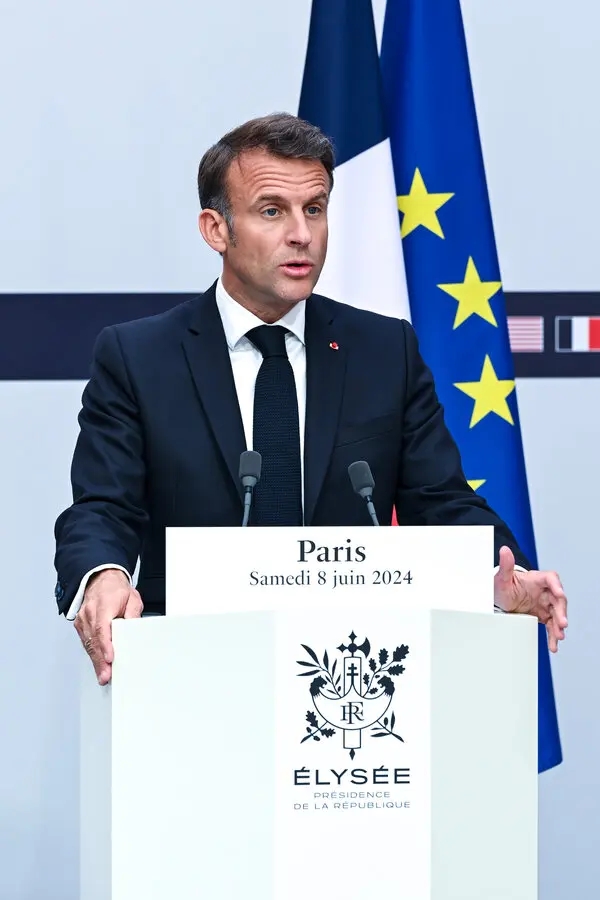
Why did Macron dissolve parliament and call an election for the end of the month? Possibly he is banking on tactical voting against Le Pen’s National Rally Party in the second round of voting. A high-risk strategy, and one where Macron’s centrist Renaissance Party risk being wiped out.
Why do we not see a similar right of the populist alt-left? Green Parties did make some gains in Europe last week, but to say the green movement is populist left is inaccurate. Some sections of it are, but much of the green movement in Europe, as in other democracies is mainstream and often part of the political establishment. Green politics are mainstream and as such get tarred with the same brush as other mainstream parties. Moreover, they are often the target of alt-right politician’s wrath.
Given the UK is no longer in the EU, will these results impact the coming UK election?
One recent poll had Nigel Farage’s Reform party level pegging with the Conservatives at 18%. The same rejection of mainstream politics and a desire for governments to be stronger on immigration has fuelled support for these parties in Europe, is also helping the Reform Party in the UK. Farage, who played a leading role in campaigning for Britain to leave the EU is now openly trying to replace the Conservative Party as the main right-of-centre party in UK politics. If this sounds far-fetched, it is what the alt-right has already achieved in France, Italy, Portugal and various other European nations in recent years.
While not being talked about much on the campaign trail, Labour if elected will seek to renegotiate the deal with Europe. The UK will not rejoin the single market, in the short term at least, but closer alignment is on the cards. Under the current EU leadership, this will be challenging, but not possible. The growing populist-right bloc does make things more unpredictable.
The right of the political spectrum is going through a significant transformation. The European elections are the latest example of populism gaining at the expense of the old mainstream parties. While Labour is likely to win the 2024 UK election, polls suggest the rise in the populist right is a European trend Britain is following.

 Nick Kelly