Singapore & COVID-19: how neglecting the poorest in society harmed the whole city state

Throughout 2020 there have been many fascinating twists and turns in the tale of how we as a species have tried to overcome the COVID-19 virus. Some nations like the United States or Brazil have not managed so well, whilst others like New Zealand or Vietnam at first seemed to be faring much better, though now have also seen the virus sneak back in.

In a pandemic like this there is no playbook, and governments and health officials are forced to learn and adapt as they go along. One can understand that along the way there will be various mistakes, and all but the very angry and militant few would seriously expect governments to get everything right during this time.

One important lesson early on in the crisis was back in April when Singapore, who were seen as one of the world leaders in defeating this virus suddenly faced a spike. Singapore was far better prepared than many other nations having learnt lessons from the 2003 SARS and 2009 H1N1 outbreaks. Singapore is well known for its focus on public hygiene and encouraging its citizens to wear face masks and wash their hands is nothing new. By early April it seemed Singapore were weathering the storm, but then things went wrong.

As outlined in this April CNN report, clusters of migrant workers living in poor overcrowded housing were found to have the disease. From here the virus quickly spread again meaning the city state went from very few cases in March to over 1000 in April. It took Singapore until August to reduce COVID-19 infection rates to their March 2020 levels.

The above graph shows the COVID-19 infection rates in Singapore from March to October 2020

In contrast to many other nations Singapore has still managed this pandemic very well. But by neglecting its most vulnerable and not providing safe and healthy accommodation to its migrant workers, the country undermined the public health for all people living in this city state.

There will be many lessons coming out of the 2020 pandemic. But the lesson here is clear, if you do not look after the poor and vulnerable in your community, ultimately you undermine the health and wellbeing of everyone.
Never too late: Prevention in an ageing world

In late February the International Longevity Centre’s (ILC UK) held a launch of their Prevention in an ageing world report which highlights the importance of prevention to reduce long term illness and disability in later life. Due to the COVID-19 pandemic, the release of this report was overshadowed, ironically by a virus where prevention was key to saving lives.

This report highlights that in response to the 2008 financial crisis, global spending on prevention in healthcare was one of the first areas to be cut. It also has been one of the last areas of healthcare spending to get a funding boost as the world started to recover from this economic slowdown.

Life expectancy has been increasing in recent decades; however, many people are not living these extra years in good health. The UK Government has a strategy of supporting people enjoy at least 5 extra healthy, independent years of life by 2035. Unless the Government invests in prevention in health care systems it will struggle to achieve this goal. According to the ILC UK there are 27.1 million people in the world living with preventable disabilities, and this figure is set to increase significantly over the coming decades unless policy makers start to seriously address this.

One of the other issues addressed in this report is that investing in people living longer healthier lives will have an economic return. This would allow older people to continue working so valuable skills and experience can be utilised. People being healthier in older age means this demographic are likely to be spending more thus contributing to the economy in that way. Focusing on prevention in healthcare will help ease pressure on the NHS and hospitals by reducing the number of people needing acute care for preventable conditions.

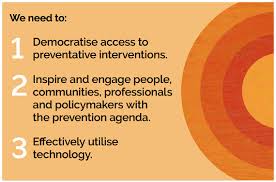
The ILC UK have published three key themes which would help make prevention in healthcare a reality. These are listed below:

Never too late: Prevention in an ageing world - ILC UK report ...

The COVID-19 pandemic has further highlighted the importance of prevention in healthcare. Those most vulnerable to the virus were those with underlying health conditions. The UK Government have today announced a strategy to tackle obesity and part of their justification for this was that excess weight puts individuals at risk of worse outcomes from coronavirus. So, whilst the ILC UK report may not have received the initial attention that it deserved, its content is relevant during this current global health crisis.